
Why Key Cutting Quality Varies in Leicester, What to Look For in a Reliable Service
April 21, 2026Key cutting is often treated as a quick, routine job, something you pick up while running errands. However, not all keys are cut to the same standard. A key that seems fine at first can quickly lead to sticking locks, difficulty turning, or even complete failure over time.
For anyone looking for key cutting in Leicester, understanding what affects quality can help avoid these problems. The difference between a well-cut key and a poor duplicate often comes down to factors that are not immediately visible, such as equipment, materials, and experience. This guide explains why key cutting quality varies and what to look for when choosing a reliable service.
Why Does Key Cutting Quality Vary Between Services?
At first glance, key cutting appears straightforward. In reality, several factors influence how accurately a key is duplicated, and not all providers operate to the same standard.
Equipment and Precision
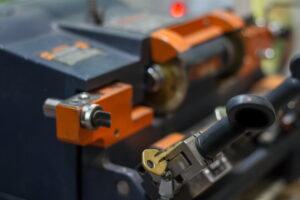
Modern locksmiths use calibrated machines designed to cut keys to exact specifications. These machines are regularly maintained to ensure consistent results.
Lower-cost providers may use older or poorly maintained equipment. Even a small variation in cutting depth or alignment can affect how the key interacts with the lock.
Precision matters because locks are engineered to tight tolerances. A slight inaccuracy can cause resistance, which may not be noticeable immediately but can lead to long-term issues.
Experience and Technique
Skill plays a significant role in achieving accurate results. An experienced locksmith will assess the original key before cutting and identify signs of wear that could affect the duplicate.
For example, copying a worn key without adjustment often results in a duplicate that carries the same faults. This is a common issue with inconsistent key duplication, where the original key is not properly evaluated.
Quality of Key Blanks
The material used for the key blank is just as important as the cutting process itself.
Higher-quality blanks:
- Maintain their shape with regular use
- Provide a smoother fit in the lock
- Reduce wear on internal components
Lower-quality materials can wear down quickly, bend under pressure, or fail prematurely. This is one of the reasons why professional key cutting tends to deliver more reliable results.
What Problems Can Poor Key Cutting Cause?
Issues with key cutting are not always immediate. In many cases, problems develop gradually as the key is used over time.
Common Signs of a Poorly Cut Key
- The key sticks when inserted
- It requires extra force to turn
- The lock feels rough or inconsistent
- The key only works intermittently
A common real-world scenario is a key that works smoothly one moment and then jams the next. This is often caused by slight inaccuracies in the cut rather than a fault with the lock itself.
Over time, continued use of a poorly cut key can damage the lock, leading to more expensive repairs.
How Can You Tell If a Key Cutting Service Is Reliable?
Choosing the right provider makes a significant difference in the quality and lifespan of your keys.
Look for a Dedicated Locksmith
A specialist locksmith is more likely to offer accurate and consistent results compared to general retail outlets. They have the tools and knowledge required for a wide range of key types.
Check for Accreditation
Working with an MLA-approved locksmith provides reassurance that the service meets recognised industry standards. This is particularly important for more complex keys or security systems.
Ask About the Process
A reliable locksmith will take time to:
- Inspect the original key
- Use precision cutting equipment
- Ensure the duplicate matches the correct profile
This attention to detail is what separates high-quality key cutting in Leicester from basic duplication services.
Why Does Accuracy Matter So Much?
Keys must match the original profile exactly to function correctly. Even a minor discrepancy can affect performance.
Impact on Locks
An inaccurate key can:
- Increase friction within the lock
- Cause internal components to wear faster
- Lead to long-term damage
This is why accurate cutting is essential, particularly for frequently used locks such as front doors or commercial entry points.
Are All Keys Cut the Same Way?
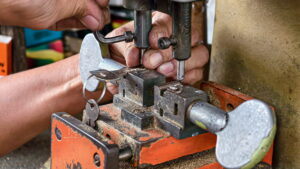
Not all keys can be duplicated using the same process. Some require additional steps or specialist equipment.
Standard Keys
Most household keys can be duplicated quickly with the right equipment and technique.
Security and Restricted Keys
More advanced keys may require:
- Proof of ownership
- Manufacturer authorisation
- Specialist machinery
A professional locksmith will advise on the correct approach and ensure the process meets security requirements.
When Should You Avoid Low-Cost Key Cutting?
While convenience is important, choosing the cheapest option can lead to problems later.
Warning Signs
- Limited or outdated equipment
- No inspection of the original key
- Lack of specialist knowledge
- No testing or quality checks
In these situations, the likelihood of an inaccurate key is much higher.
How Does Key Cutting Affect Overall Security?
Keys are a fundamental part of your security setup. Poor duplication can compromise both access and lock performance.
Maintaining high standards in key cutting helps ensure that locks operate correctly and that access remains controlled and secure.
When Should You Replace a Key Instead of Copying It?
In some cases, duplicating a key is not the best option.
Signs a Replacement Is Needed
- The key is visibly worn or bent
- It no longer works consistently
- The lock shows signs of strain
Replacing the key, or in some cases the lock, can prevent further issues.
Speak To a Locksmith for Key Cutting in Leicester
If you have experienced issues with keys that stick, jam, or fail unexpectedly, the cause is often poor duplication rather than the lock itself.
Morgans Locksmiths, established in 1717 and MLA-approved, provides accurate and reliable key cutting using precision equipment and high-quality materials.
Avoid repeat visits and unnecessary lock problems. Call 0116 244 0338 or visit the shop for expert advice.
This entry was posted in Latest News. Bookmark the permalink. ← Are Your Locks Insurance-Compliant? A Guide to BS3621 and Security Standards Break-In Trends – What Homeowners Should Keep In Mind →